Frankie Frank · 3 October 2026
Authorization Form Complexities Create Barriers for Elderly Mental Health Care Access
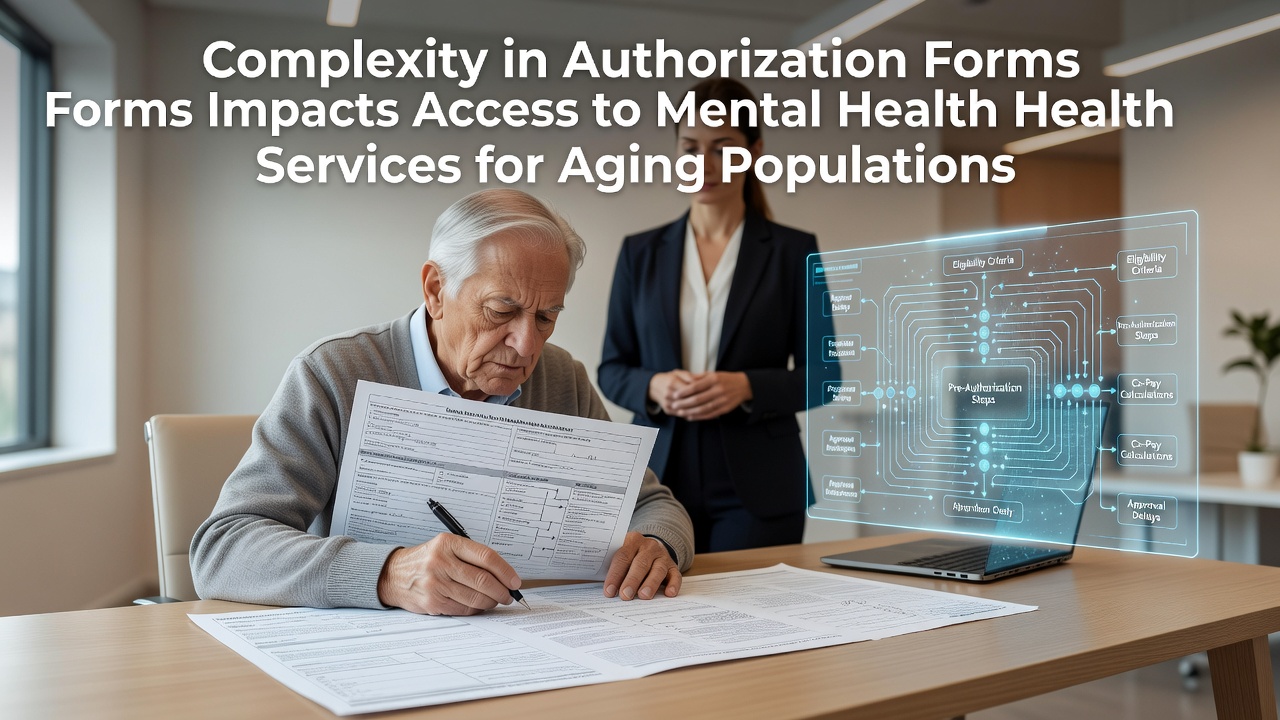
Authorization forms in mental health services often require detailed patient histories, insurance verifications, consent clauses, and provider attestations that span several pages. These documents serve regulatory and billing purposes, yet their layered requirements create friction for aging populations who seek therapy or medication management. Studies from government health agencies show that adults over 65 encounter higher rejection rates during initial submissions compared with younger cohorts, primarily because of incomplete sections or mismatched signatures. Researchers tracking administrative workflows note that each additional page correlates with a measurable delay in service initiation, and October 2026 data releases from national health statistics programs are expected to quantify these patterns across multiple states.
Document Layers and Administrative Demands
Forms typically bundle prior authorization requests with privacy notices, financial responsibility statements, and medication reconciliation checklists. Aging individuals managing cognitive changes or vision impairments face extra steps when deciphering dense legal language and cross-referencing dates across separate attachments. Data from longitudinal health service analyses indicate that patients living alone complete these packets at lower rates than those with family support, while those relying on telehealth encounters report additional hurdles when digital signatures fail to register properly. Observers in clinic settings describe staff spending extra hours following up on missing checkboxes or outdated insurance codes that trigger automatic denials.
Effects on Service Timelines and Continuity
Delays compound when forms route through multiple review stages involving insurers, primary care physicians, and mental health specialists. A single error in a date of birth field or medication dosage list can reset the entire process, extending wait times from weeks into months. Figures compiled by health ministries reveal that older adults in rural regions experience amplified effects because fewer local providers accept complex cases that demand extra paperwork navigation. Those who eventually receive approvals sometimes discover that initial treatment windows have closed, forcing new assessments and fresh documentation cycles that restart the clock.
Regional Data Patterns and Policy Context
Reports from Australian health authorities highlight that authorization complexity contributes to lower utilization rates of community-based counseling among seniors, even when services remain covered under public programs. In parallel, Canadian federal health surveys track similar trends where multi-jurisdictional forms create confusion for patients who move between provinces. European Union health directorates have published comparative tables showing that standardized digital templates reduce resubmission frequency, yet adoption varies by member state infrastructure. These datasets collectively point to measurable gaps between policy intent and practical access for aging populations.

Technology Adoption and Remaining Gaps
Electronic health record integrations have introduced autofill features and real-time eligibility checks that streamline portions of the workflow. Clinics implementing these tools report fewer incomplete submissions, according to operational metrics shared by hospital networks. However, legacy systems still dominate in smaller practices that serve high volumes of Medicare patients, and password management plus multi-factor authentication steps add friction for users unfamiliar with the interfaces. Training programs launched in several regions during 2025 demonstrate modest uptake improvements, yet sustained support remains essential because form updates continue to arrive with each regulatory cycle.
Support Mechanisms and Caregiver Roles
Family members and community volunteers frequently step in to interpret instructions and gather supporting records from multiple providers. Social workers attached to geriatric clinics document cases where a single caregiver coordinates between pharmacy records, specialist notes, and insurance portals to satisfy overlapping requirements. Peer-reviewed analyses indicate that these informal networks reduce abandonment rates, although they also shift administrative burden outside formal clinical settings. Programs pairing seniors with trained navigators show promise in pilot evaluations, but scaling depends on consistent funding streams that account for both staffing and technology maintenance.
Conclusion
Authorization form complexity intersects with age-related functional changes to shape access pathways for mental health services. Quantitative evidence from multiple national monitoring systems demonstrates extended timelines and reduced completion rates among older adults. Ongoing refinements in digital tools and support structures offer partial mitigation, while regional variations underscore the need for coordinated policy responses that align documentation demands with practical service delivery realities.