
Vera Patterson · 31 October 2026
Growing Privacy Worries Emerge from Data Collection in Virtual Healthcare Registrations
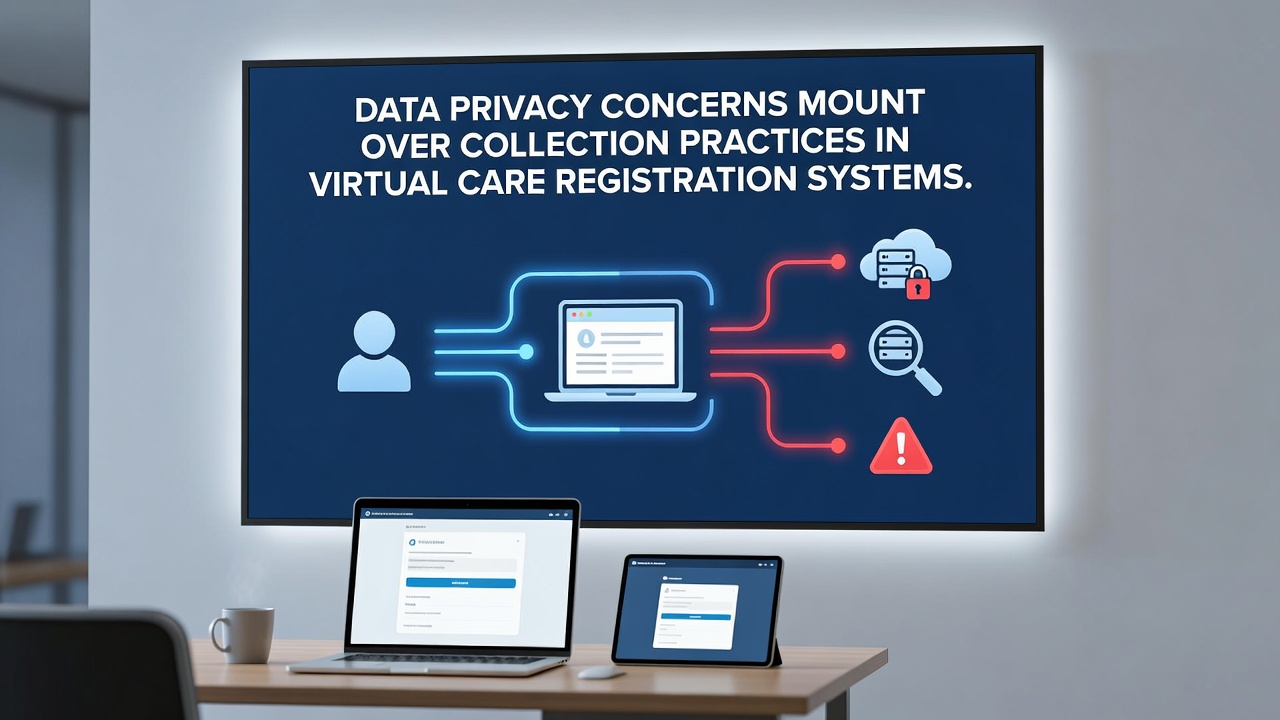
Virtual care registration systems have expanded rapidly across healthcare networks, and they now gather extensive patient details during initial sign-ups for telehealth services. These platforms collect names, addresses, insurance information, medical histories, and sometimes device identifiers or location data through mobile apps and web portals. Studies from academic institutions indicate that many of these systems request fields beyond basic requirements, which creates friction points for users who must navigate lengthy forms before accessing care.
Expansion of Data Fields in Enrollment Processes
Registration workflows in virtual care often start with standard identifiers yet progress to questions about employment status, family medical backgrounds, and even wearable device metrics. According to reports from the U.S. Department of Health and Human Services, such expansions align with efforts to streamline care coordination, but they also increase exposure risks when data moves between providers and third-party vendors. Researchers at Canadian universities have tracked similar patterns in provincial telehealth programs, where mandatory fields grew by notable margins between 2023 and 2026.
One analysis released in October 2026 highlighted how certain platforms integrate social determinants of health queries directly into onboarding screens. This approach pulls details on housing stability or transportation access, which supports targeted interventions yet raises questions about storage duration and access controls. Those who reviewed the datasets noted inconsistent deletion policies across vendors, with some retaining records for extended periods after initial consultations end.
Regulatory Frameworks and Compliance Patterns
Existing rules such as the Health Insurance Portability and Accountability Act in the United States set baseline protections for electronic health information, while the General Data Protection Regulation in Europe imposes stricter consent and minimization standards. HHS guidance documents outline audit requirements that virtual care operators must meet when handling registration data. Observers point out that enforcement actions have increased in recent years, particularly when platforms fail to limit collection to necessary elements.
Canadian privacy commissioners have issued guidance emphasizing purpose limitation, which requires organizations to specify why each data point is gathered at sign-up. Figures from the Office of the Privacy Commissioner of Canada reveal a rise in complaints related to health apps between 2024 and 2026, many centered on unclear sharing practices with analytics firms. Similar scrutiny appears in Australian regulatory reviews, where the Office of the Australian Information Commissioner examined telehealth consent flows and identified gaps in transparency disclosures.
Technical Practices Driving Heightened Attention
Many registration systems employ autofill features and integrated electronic health record connections that pull historical data without explicit re-confirmation at each step. This convenience speeds enrollment but can bypass granular consent options, according to technical assessments published by research consortia. Data flows often route through cloud services that apply encryption at rest yet vary in their handling of metadata generated during form completion.
Case reviews from hospital networks show instances where registration data transferred to marketing partners without updated patient notifications. Experts tracking these transfers emphasize that metadata such as IP addresses or session timestamps can reveal usage patterns even when primary fields stay anonymized. One multi-site study found that over half of sampled virtual care platforms retained logs longer than clinical retention guidelines recommend, which creates potential for secondary uses not disclosed upfront.
Industry Responses and Implementation Shifts
Healthcare technology vendors have begun rolling out modular consent interfaces that let patients select data categories during registration. These updates respond to feedback from patient advocacy groups and align with emerging standards from international standards bodies. Implementation data indicates faster adoption rates in larger systems that already maintain dedicated compliance teams.
Training programs for administrative staff now incorporate modules on data minimization principles, which encourage collection only of fields directly tied to service delivery. Reports from integrated delivery networks describe reduced form lengths after such training, although smaller rural providers report slower progress due to limited technical resources. Partnerships with academic centers have produced toolkits that map registration fields against regulatory checklists, helping operators identify unnecessary items before deployment.
Conclusion
Registration systems for virtual care continue to evolve under ongoing examination from regulators and research groups across multiple regions. Data handling practices at the enrollment stage remain central to compliance efforts, with attention focused on consent mechanisms, retention timelines, and vendor agreements. Organizations that align collection practices with established frameworks demonstrate measurable improvements in audit outcomes, while broader adoption of privacy-by-design approaches appears in updated platform releases. Continued monitoring through official channels provides the clearest picture of how these systems balance operational needs with protection requirements.